
Therapy for South Asians in NYC
Ready to sit back with a cup of chai and start therapy that truly understands your culture?
South Asian Therapy for Anxiety & People-Pleasing in NYC
In many South Asian communities, shame and guilt are common emotions shaped by cultural expectations, family pressures, and community norms. Shame can feel like “I am not enough,” while guilt feels like “I did something wrong.” These feelings are often internalized, making it hard to ask for support or care for yourself—but you are not alone. Together, we can explore these emotions, understand where they come from, and develop ways to manage them, creating space for healing, self-compassion, and emotional well-being
Shame/Guilt
In many South Asian communities, putting others’ needs above your own—people-pleasing—is often encouraged from a young age. You may feel pressure to meet family expectations, maintain harmony, or avoid disappointing others, sometimes at the cost of your own well-being. This can lead to stress, anxiety, and difficulty setting boundaries—but you are not alone. Together, we can explore these patterns, understand why they developed, and create strategies to honor your needs while maintaining healthy relationships, so you can live with more balance and self-compassion.
People Pleasing
Several cultural values common in South Asian communities can shape how life transitions—like marriage, dating, and career choices—are experienced:
Familial Duty and Respect (Filial Piety) – Prioritizing family expectations and honoring elders’ guidance can create tension between personal desires and family obligations.
Collectivism over Individualism – Decisions are often viewed through the lens of community or family well-being rather than purely personal preference.
Achievement and Success – High value is placed on education, career success, and social standing, which can increase pressure to meet specific milestones.
Honor and Reputation (Izzat) – Maintaining family reputation can lead to fear of judgment, especially around dating, relationships, or unconventional career paths.
Emotional Restraint – Openly expressing struggles or mental health concerns may be discouraged, fostering guilt, shame, or internalized stress.
Gender Roles and Expectations – Traditional ideas about women’s roles in family, marriage, and work can influence choices and create additional stress.
These values can provide strength and guidance but also contribute to stress, self-doubt, and hesitation in making independent choices. Understanding these influences is key to approaching therapy in a culturally sensitive, validating, and compassionate way.
Life Transitions
In many South Asian families, love and support go hand-in-hand with high expectations, pressure to succeed, and strong opinions about life choices. You might feel torn between doing what your family wants—around career, marriage, or lifestyle—and following your own path, or struggle with feeling misunderstood across generations. You are not alone. Together, we can navigate these family dynamics, help you set boundaries, and create space to honor both your relationships and your own well-being.
Family Dynamics
Navigating a bicultural identity as a South Asian—feeling “too Indian” for your peers or “too American” for your family—can be confusing and isolating. Moving to a new country, balancing multiple cultural expectations, and trying to honor both sides of your identity can make it hard to feel fully at home anywhere. You are not alone. Together, we can explore your experiences, honor your unique identity, and develop ways to feel grounded, authentic, and at peace with who you are.
Cultural Identity
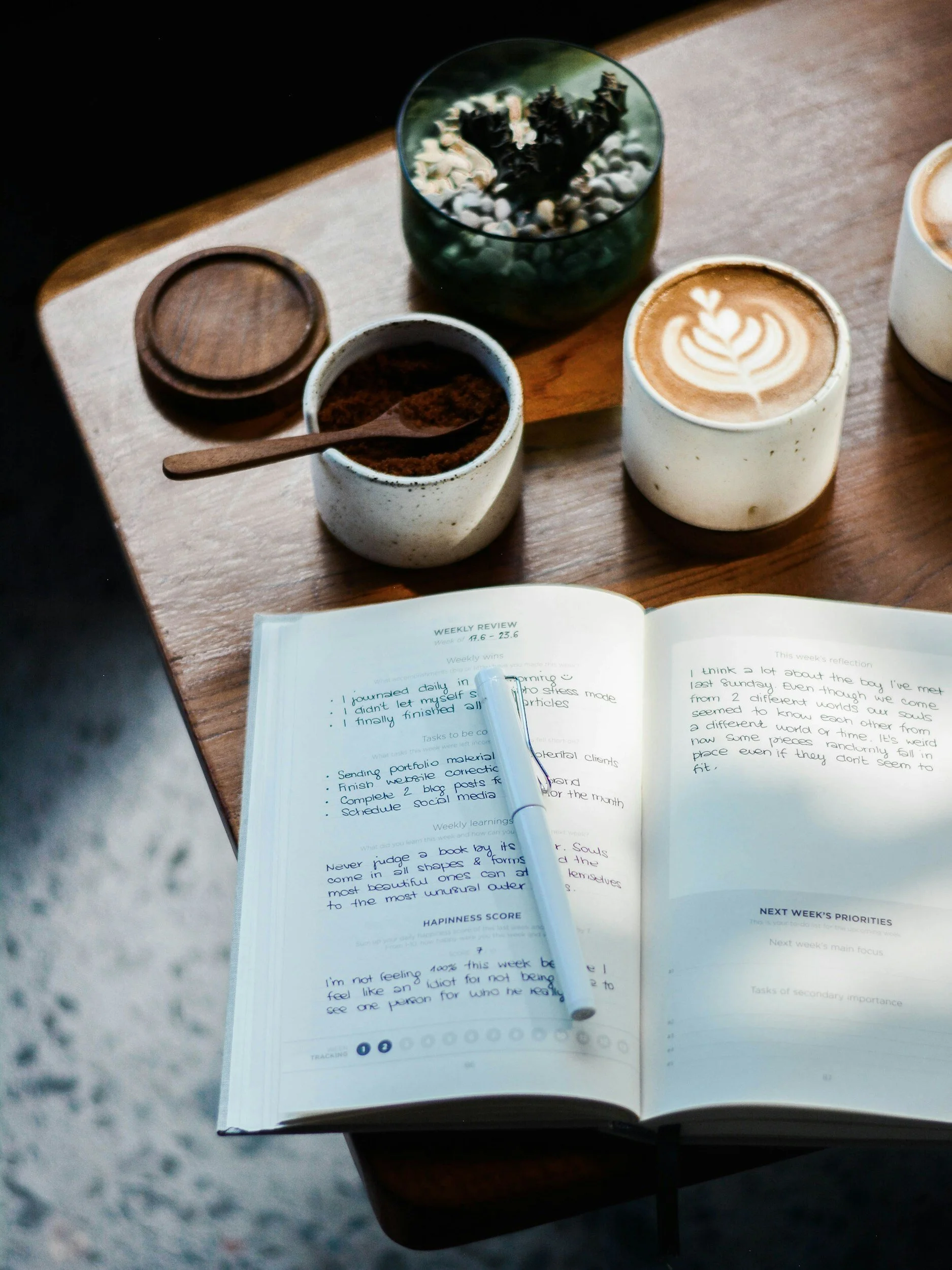
What South Asians struggles sound like?
1. Family & Cultural Expectations
“Am I doing enough for my family?”
“I feel guilty for wanting things for myself.”
“What if I disappoint my parents or elders?”
“I’m constantly trying to balance tradition and my own choices.”
2. Career & Ambition
“Am I allowed to pursue my dreams without feeling selfish?”
“I feel pressure to overachieve just to prove my worth.”
“Sometimes I’m exhausted from trying to do it all.”
“What if I fail and it reflects badly on my family?”
3. Identity & Belonging
“Who am I beyond my culture, family, and responsibilities?”
“Am I betraying my roots by thinking differently?”
“I feel torn between my own values and my family’s expectations.”
“I don’t always feel seen or understood.”
4. Relationships & Marriage
“Am I making the ‘right’ choices in love or marriage?”
“I worry about what others will think of my choices.”
“I feel pressure to maintain harmony, even if it hurts me.”
5. Mental Health & Self-Care
“Is it selfish to take time for myself?”
“I feel anxious or sad but don’t want my family to know.”
“I constantly worry I’m not enough.”
“I don’t know how to say no without feeling guilty.”
These struggles often manifest as anxiety, people-pleasing, perfectionism, and internalized guilt, and they’re deeply tied to cultural and generational pressures.
Learn more below:
Learn more about mental health and the South Asian experience
Read my article on South Asian mental health and cultural expectations
Bold Brown Therapy Method in supporting South Asians
At Bold Brown Therapy, I understand that being South Asian often comes with unique pressures and expectations—from family, culture, and community. Many of the ways you cope, people-please, or seek validation may have developed because healthy emotional modeling wasn’t shown to you, or because you had to find ways to feel seen in a world that didn’t always notice your needs.
My approach is culturally attuned, holistic, relational, and deeply compassionate, supporting you in healing emotional wounds you may have carried for years while honoring your cultural identity and relational values.
The method includes:
Culturally Sensitive Therapy: Understand how family, community, and cultural expectations have shaped your experiences and coping strategies.
Cognitive Behavioral Therapy (CBT): Gently explore thought patterns that contribute to anxiety, depression, or people-pleasing, and build healthier perspectives.
Dialectical Behavior Therapy (DBT): Learn skills for regulating intense emotions, managing stress, and setting boundaries while navigating cultural pressures.
Internal Family Systems (IFS): Explore internalized voices—like self-critical or culturally influenced parts—and cultivate self-compassion for all aspects of yourself.
Eye Movement Desensitization and Reprocessing (EMDR): Address deep-seated emotional wounds, process past experiences, and release the burden of unresolved pain.
Relational Therapy: Recognizing that South Asians are often rooted in collectivist ideals, we provide individualized care that emphasizes connection and support, helping you feel seen, understood, and not alonein your journey.
Holistic Support & Practical Tools: Mindfulness, self-care, and tangible coping strategies to self-soothe, regulate emotions, and feel empowered from within.
With this approach, you can:
Heal emotional wounds carried for years in a safe, culturally sensitive space
Gain tangible tools to self-soothe and regulate emotions
Set healthier boundaries while honoring family and relational ties
Feel validated, supported, and empowered—knowing you’re not navigating this alone
At Bold Brown Therapy, I create a space where your culture is respected, your expectations are managed.
Frequently Asked Questions about South Asian Therapy in NYC
-
Yes. At Bold Brown Therapy, we work with first- and second-generation immigrants, as well as third-culture kids, who are navigating questions of identity, culture, family, and belonging.
First-generation immigrants are people who immigrated to a new country themselves. Second-generation immigrantsare generally children of immigrants who were born in or grew up primarily in their parents' new country.
Third-culture kids grow up with influences from multiple cultures and may feel connected to more than one culture without feeling completely at home in any one of them.
Therapy can provide a space to explore feeling caught between cultures, family expectations, guilt, boundaries, people-pleasing, intergenerational patterns, and questions about who you are outside of your family's expectations.
-
You don't have to compare your struggles to what your parents experienced to deserve support. Maybe your parents immigrated, experienced financial hardship, or made significant sacrifices, and you feel like your problems aren't “bad enough” in comparison. Your experiences are still valid. Therapy can help you understand what you're carrying without minimizing your experiences or dismissing what your parents went through.
-
Yes. You don't need your family's permission or understanding to seek support. Many South Asian families may not openly talk about mental health, and you may have learned to keep personal struggles within the family. Therapy can give you a private, nonjudgmental space to explore what you're experiencing.
-
No. Therapy isn't about choosing one culture over another. It can be a space to explore what you value from your South Asian upbringing while also figuring out what feels right for you. You can honor your culture, family, and traditions while creating a life that reflects your own values, needs, and identity.