
Therapy for Body Image in NYC
Your body has carried you through every chapter of your life—you deserve a relationship with it that feels safe, kind, and compassionate
What is body dysmorphic disorder?
Body Dysmorphic Disorder (BDD)
Definition:
Body Dysmorphic Disorder is a mental health condition in which a person becomes preoccupied with perceived flaws or defects in their appearance, often ones that are not noticeable or minor to others. This preoccupation can cause significant distress, interfere with daily life, and affect mental well-being.
Key Features:
Obsessive focus on a specific body part or appearance
Frequent checking in mirrors or avoiding mirrors altogether
Comparing oneself to others
Excessive grooming, skin picking, or seeking cosmetic procedures
Anxiety, shame, depression, or social avoidance due to appearance concerns
Impact on Mental Health:
BDD can lead to low self-esteem, social isolation, depression, and anxiety. It often makes people feel trapped in a cycle of negative thoughts about their body that are difficult to control without support.
Resources for Body Image:
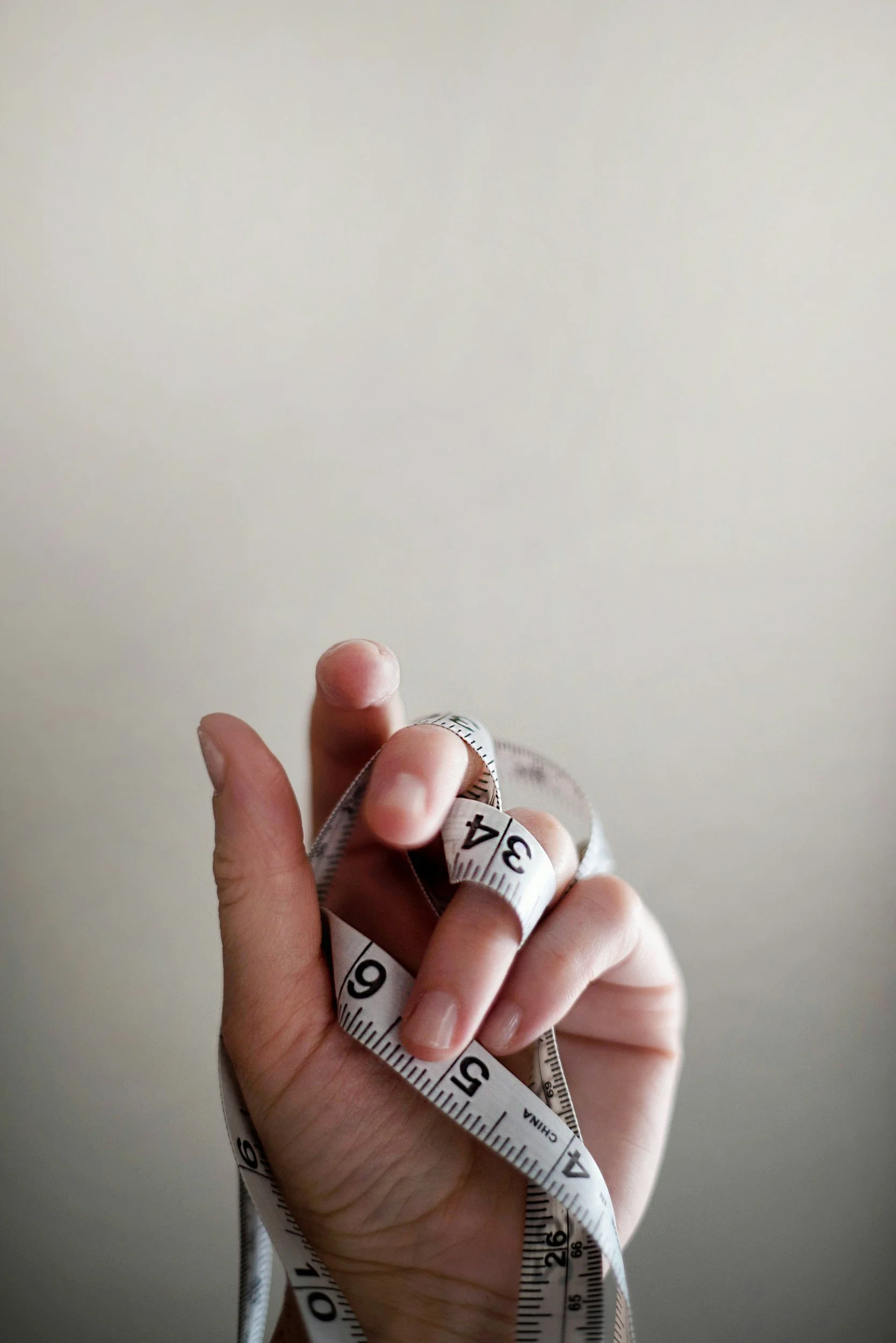
What does it sound like to be insecure about your body image?
“I compare myself to everyone around me even when I don’t want to.”
“I avoid mirrors on some days because I don’t want to start picking myself apart.”
“I wonder if people notice the things I’m insecure about as much as I do.”
“Compliments are hard to believe, even when I really want to.”
“I change my outfits five times, not because I’m stylish—just because nothing feels right.”
“I worry I take up too much space, or not enough… I can’t seem to get it ‘right.’”
“I wish I could see myself the way the people who care about me do.”
“I try to act confident, but inside I’m always second-guessing how I look.”
Bold Brown Therapy Method in treating Body Dysmorphic Disorder
At Bold Brown Therapy, I provide a holistic and culturally attuned approach to treating Body Dysmorphic Disorder. Our therapy integrates Cognitive Behavioral Therapy (CBT), Dialectical Behavior Therapy (DBT), Exposure and Response Prevention (ERP), and Internal Family Systems (IFS) to help you:
Understand and manage distressing thoughts about your appearance
Build coping skills to regulate intense emotions
Address underlying emotional wounds that may have been unacknowledged or untreated
Heal patterns of shame, self-criticism, or avoidance
By combining evidence-based therapies with culturally informed care, I aim to support you in reclaiming your sense of self, building body acceptance, and reducing the distress that comes with BDD.
Frequently Asked Questions about Body Image Therapist in NYC
-
Body image doesn't exist in a vacuum — it's shaped by family comments, cultural beauty standards, colorism, and the gap between what you see in the mirror and what mainstream media tells you is beautiful. For many women in BIPOC communities, the body has been a site of both love and criticism from the people closest to them. Therapy creates space to process that history and build a relationship with your body on your own terms.
-
Not at all. Body image concerns exist on a wide spectrum, and you don't need a clinical diagnosis to deserve support. If negative thoughts about your body are affecting your confidence, relationships, eating, or daily life — that's enough of a reason to reach out. Therapy meets you wherever you are.
-
Yes — though the goal isn't necessarily to love your body every day. It's to stop being at war with it. Therapy helps you understand the origins of your body image, challenge thoughts that have been running unchecked, and develop a more neutral, compassionate relationship with your body. Over time, the mental noise gets quieter.
-
Most wellness programs focus on behavior — what you eat, how you move. Therapy goes deeper: we explore what drives those behaviors, where your beliefs about your body came from, and how they intersect with identity, culture, and self-worth. It's not about a new routine. It's about understanding yourself at a level that actually shifts things.