
Therapy for Intergenerational trauma in NYC
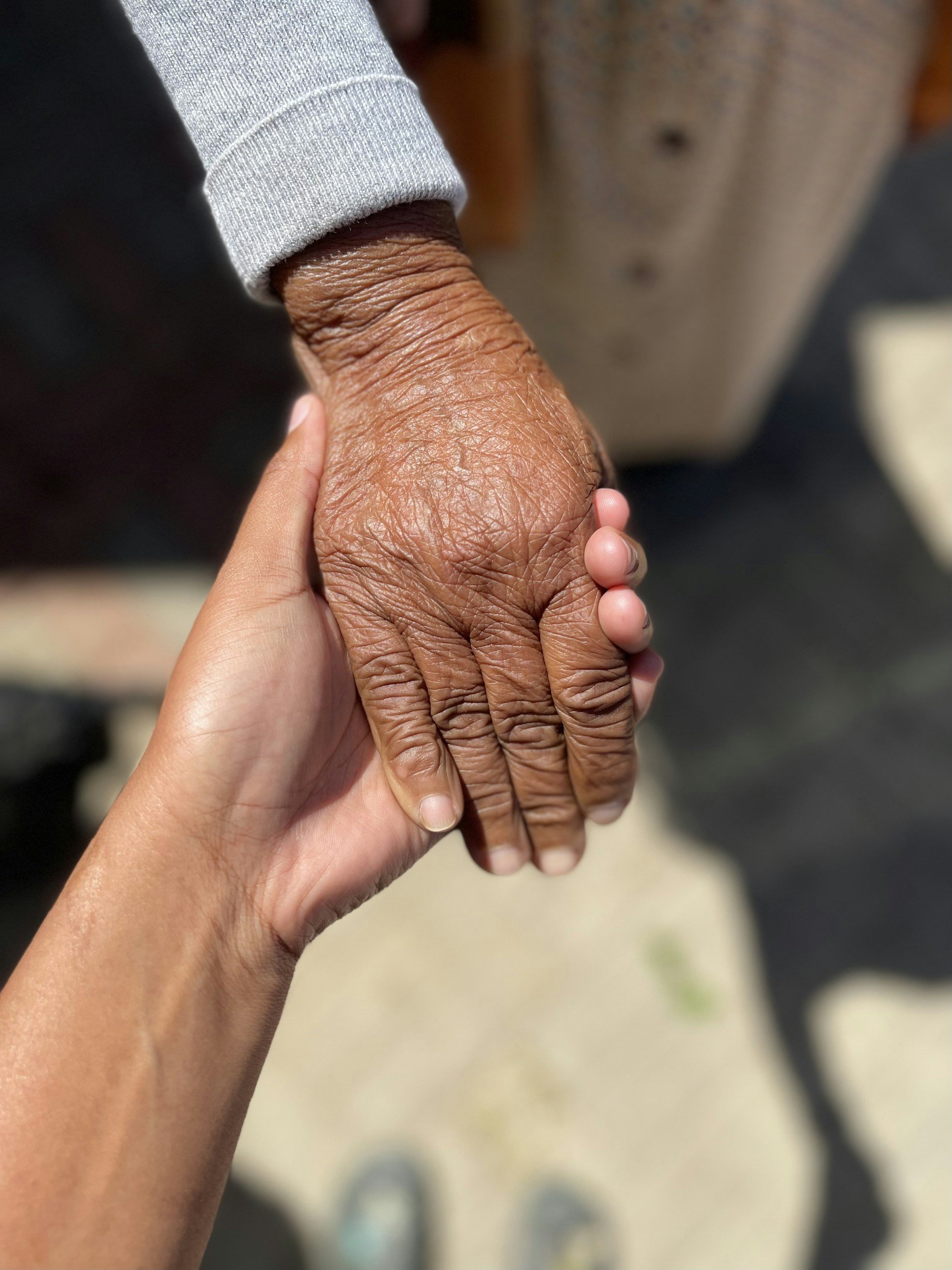
The struggles you carry aren’t always yours alone—they’re echoes of the generations before you. Healing doesn’t just change your story; it changes the story for those who come after
What is intergenerational trauma?
Intergenerational trauma refers to the emotional, psychological, and even physical effects of trauma that are passed down from one generation to the next. It’s not just about what you personally experienced—it’s about the pain, fear, and coping strategies that your parents, grandparents, or ancestors carried, which can shape your life, beliefs, and behaviors even today.
For many BIPOC and South Asian communities, intergenerational trauma can be connected to:
Historical oppression, colonization, or displacement
Racial, religious, or caste-based discrimination
Immigrant experiences, forced migration, or labor exploitation
Family expectations, rigid cultural norms, or cycles of shame and honor
Silences around mental health, emotional expression, or seeking help
These experiences can influence how we relate to ourselves and others, often in ways that feel invisible:
Internalized stress, anxiety, or hypervigilance
Perfectionism, overachievement, or people-pleasing
Difficulty expressing emotions or setting boundaries
Negative self-talk, guilt, or shame linked to family expectations
Patterns of relational or emotional challenges passed down through generations
Why it matters:
Even if you haven’t personally experienced extreme trauma, the effects can still shape your mental health, relationships, and sense of self. Recognizing these patterns is the first step in breaking cycles, healing emotional wounds, and reclaiming your story—while honoring your culture, family, and ancestry.
Listen to my podcast conversation about breaking generational patterns
What does intergenerational trauma sound like?
“I react to things like they’re dangerous, even though I’ve never actually lived through what my family did.”
“I inherited stories, fears, and survival habits that were never mine to carry, but somehow they’re still in me.”
“I feel pressure to be strong because the people before me didn’t have the luxury of falling apart.”
“Sometimes I catch myself parenting myself—or others—the way my family was taught by hardship, not by choice.”
“I’m unlearning beliefs that kept my parents safe but keep me stuck.”
“I feel torn between honoring what my family went through and wanting to live differently.”
“Even when life is stable, part of me is waiting for things to collapse, because that’s what was normal for generations.”
“I’m healing wounds I didn’t create, but I don’t want to pass them on.”
Bold Brown Therapy method in managing Intergenerational Trauma
At Bold Brown Therapy, healing intergenerational trauma involves a holistic, culturally sensitive approach that addresses both the emotional wounds passed down through generations and the ways they show up in your life today. The therapy methods include:
1. Internal Family Systems (IFS)
Helps you explore and understand different “parts” of yourself that may carry generational messages or trauma
Encourages compassion toward yourself and your internalized family or cultural expectations
Supports resolving inner conflicts created by inherited trauma
2. Cognitive Behavioral Therapy (CBT)
Identifies patterns of thoughts and beliefs shaped by family or cultural trauma
Helps reframe harmful narratives such as shame, guilt, or perfectionism
Builds practical tools to interrupt cycles of intergenerational stress
3. Dialectical Behavior Therapy (DBT)
Teaches skills to manage intense emotions that may be triggered by family expectations, cultural pressure, or trauma reminders
Focuses on emotion regulation, distress tolerance, and mindfulness
Helps navigate challenging relationships and boundaries safely
4. Trauma-Informed and Culturally Attuned Care
Recognizes the unique ways BIPOC and South Asian communities experience trauma
Validates the impact of cultural norms, migration, racism, caste or religious expectations, and family pressures
Provides a safe space to explore intergenerational patterns without judgment
How Therapy Helps
Through this integrative approach, clients learn to:
Identify and process inherited emotional wounds
Heal patterns that no longer serve them
Build self-compassion and autonomy
Navigate family dynamics with awareness and boundaries
Reclaim personal and cultural identity in a healthy, empowering way
Frequently Asked Questions about Intergenerational Trauma Therapist in NYC
-
Intergenerational trauma is the transmission of unhealed pain — from parents, grandparents, and ancestors — through family systems, attachment patterns, and sometimes even biology. You might notice it as anxiety that has no clear origin, a tendency to repeat relationship patterns, emotional reactions that feel bigger than the situation, or a deep sense of carrying something that isn't entirely yours. If any of that resonates, therapy can help you make sense of it.
-
Yes — and this is one of the most powerful things therapy can offer. You don't need to have lived through an event yourself for it to shape how your nervous system responds to the world. By understanding the family and cultural legacy you inherited, you can begin to respond differently — and in doing so, shift patterns that may have persisted for generations.
-
For many South Asian and BIPOC families, intergenerational trauma is inseparable from histories of migration, colonization, racism, and cultural erasure. These aren't just historical facts — they live in family silence, unspoken rules, and inherited fears. Therapy that is culturally informed takes these realities seriously, rather than treating them as background noise.
-
It looks different for everyone, but often involves understanding your family's story with more compassion — including your own reactions to it. We work to identify patterns that no longer serve you, grieve what was lost, and build a sense of self that is rooted rather than reactive. It's deep work, and it's some of the most meaningful work I do.